Watercolor Valentine Heart Sublimation Review
I have spent years reviewing Graphics and Crafts assets for the purpose of turning digital files into tangible, stitched reality. When I first opened the package for Watercolor Valentine Heart Sublimation, my initial reaction was a mix of excitement and caution. The name itself suggests a specific aesthetic: soft, blended colors that mimic paint rather than solid blocks of thread. For an embroidery designer or a small business owner looking to expand their Etsy listings, the question is never just about how pretty a file looks on a screen. It is about whether it will hold up under the needle, how it translates from a PNG sublimation wrap to a physical garment, and if it adds value to a finished product.
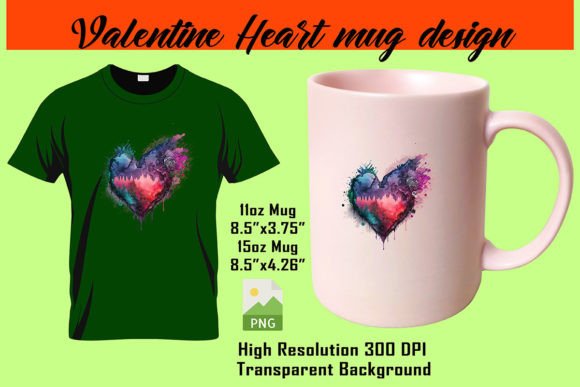
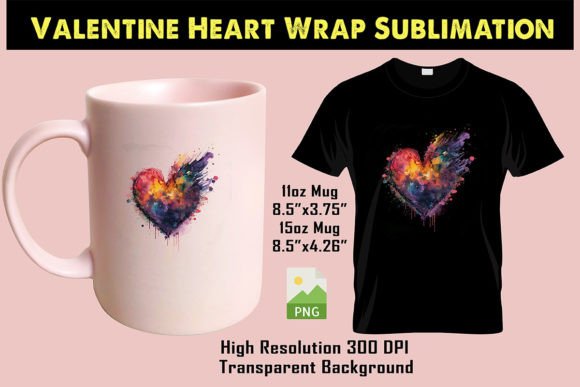
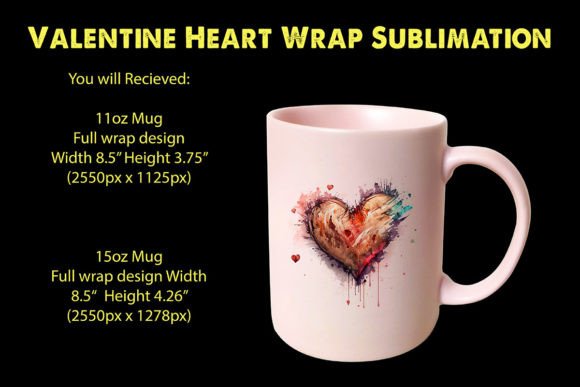
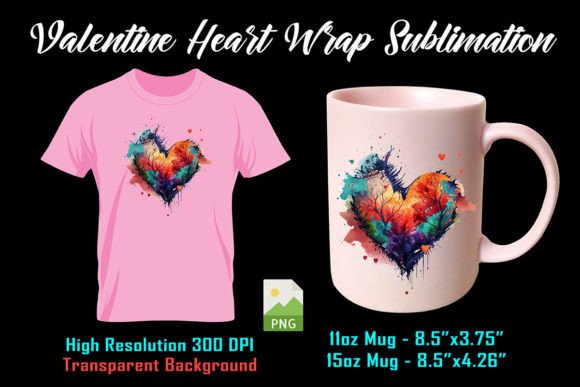
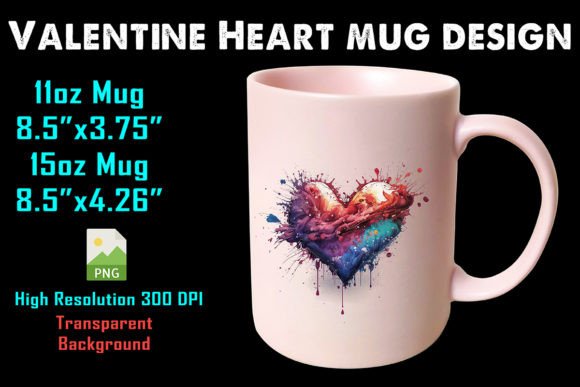
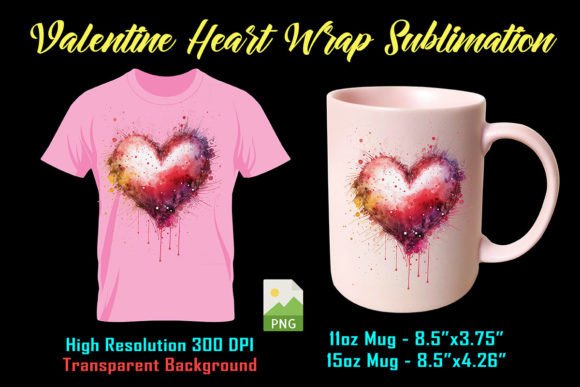
The product description indicates this is a digital asset delivered in a zip file containing three PNG files designed specifically for mug wraps (11oz and 15oz). However, as a reviewer focused on textile arts, I am evaluating its potential versatility. Can this design be adapted? Does the visual weight of the heart translate well when converted for machine embroidery? In the world of handmade goods, a design that works for sublimation often struggles with the rigidity of satin stitches unless carefully interpreted. This review looks at how Watercolor Valentine Heart Sublimation performs when applied to real-world projects like custom apparel, tote bags, and boutique merchandise.
The First Impression: Mood and Visual Personality
From a design standpoint, the watercolor style offers a distinct advantage over traditional clip art. It creates a mood that is romantic, artistic, and slightly imperfect in a way that appeals to modern buyers. Unlike rigid vector hearts, this design feels organic. It suggests a project that is thoughtful and handcrafted, which is exactly what customers look for when they are purchasing personalized gifts or holiday items. The layout appears balanced, making it suitable for central placement on a sweatshirt or a focal point on a kitchen towel.
However, the "sublimation" aspect of the title requires a mental shift. Sublimation prints sit on top of fabric, whereas embroidery sits within it. If you plan to use these graphics as a reference for digitizing your own embroidery file, the watercolor gradients will need to be simplified into fill stitches and satin outlines. The challenge lies in capturing that soft edge without creating a muddy mess of thread. If used correctly, Watercolor Valentine Heart Sublimation can elevate a standard Valentine's Day gift into something that looks high-end and professional. It signals to the buyer that the maker cares about aesthetics beyond just slapping a logo on a shirt.
Real-World Application: From Screen to Stitch
Let me walk you through a scenario where I would realistically deploy this design. Imagine preparing a collection for a local craft fair. You want to create a line of embroidered aprons and tote bags that feature a cohesive Valentine theme. The goal is to sell these as premium items to couples or as unique gifts for teachers and friends.
If I were to adapt Watercolor Valentine Heart Sublimation for an embroidered tote bag, the large width of the original mug wrap (8.5 inches) might need scaling down to fit a standard 4x4 or 5x7 hoop. The heart shape is versatile enough to work on the chest of a hoodie or the front panel of a baby onesie. The soft color palette would pair beautifully with neutral fabrics like cream canvas, light gray fleece, or even a soft pastel pink linen. In this context, the design acts as a brand asset, giving your small shop a consistent, recognizable look that stands out against mass-produced items found in big-box stores.
For commercial embroidery projects, such as corporate gifts or wedding favors, the design adds a layer of sophistication. A simple red heart can feel cliché, but a watercolor interpretation suggests creativity and effort. Customers are willing to pay more for a product that feels bespoke. Whether you are selling finished products on Etsy or offering customization services, using a design with this level of detail helps justify a higher price point. It transforms a basic commodity into a desirable piece of decor or wearable art.
Where Caution Is Required
Despite its charm, there are specific scenarios where Watercolor Valentine Heart Sublimation might not perform as expected. The most critical factor is the surface area and fabric type. Attempting to stitch this design onto a curved surface, like a baseball cap, could result in distortion. The watercolor effect relies on smooth transitions, and the curvature of a cap can stretch the fabric, warping the delicate edges of the heart.
Similarly, textured fabrics present a significant hurdle. If you try to embroider this on a heavy, nubby wool or a loose-weave burlap, the fine details of the watercolor blend will get lost. The thread will catch on the texture, creating a rough appearance that undermines the softness of the original graphic. Thin or stretchy fabrics also pose risks; without proper stabilizer, the tension required to hold the fill stitches together could pucker the material, ruining the clean lines of the design.
Small hoop sizes are another limitation. If the original PNG contains intricate details that rely on negative space to define the watercolor wash, reducing the size to fit a tiny 2.5-inch hoop might cause those details to merge into a blob. Dense stitch areas, particularly where the color gradients are supposed to be subtle, can become stiff and uncomfortable if the stitch density is too high. Furthermore, for products that require frequent washing, such as aprons or baby clothes, the longevity of the design depends heavily on the quality of the thread and the stability of the stitching. If the design is too complex, it may unravel or snag more easily than a simpler geometric pattern.
Design Notes for the Practical Maker
Before committing to a full production run, I strongly advise testing the design on scrap fabric. This step is non-negotiable for any serious embroidery designer. Use the same thread colors and fabric type you intend for the final product to see how the ink (or digitized stitches) interacts with the material. Check the thread color contrast closely; a watercolor design often relies on low-contrast blending, which can disappear if the background fabric is too similar in tone.
Review the stitch density carefully. If you are converting this from a sublimation image to a machine embroidery design, ensure that the fill stitches are not so dense that they create a hard, plastic-like feel. Inspect small details to make sure they will not break during the stitching process. It is also wise to test the design in black and white mockups. This helps you visualize how the design will read when the color information is stripped away, ensuring the composition holds up structurally.
Confirm your hoop size and stabilizer choice before starting. Using the wrong stabilizer can lead to puckering, which ruins the illusion of the watercolor effect. If you are planning to sell finished items or digital products, double-check the licensing terms included in the zip file. Ensure you have the rights to use Watercolor Valentine Heart Sublimation for commercial purposes, especially if you are producing items for resale on platforms like Etsy or at craft fairs.
Ultimately, Watercolor Valentine Heart Sublimation is a strong asset for designers who understand the nuances of translating digital art into textile form. It offers a fresh take on a classic symbol, provided it is handled with technical care. By respecting the limitations of embroidery and focusing on high-quality execution, you can turn this graphic into a standout product that builds trust and engagement with your customers.