Valentine Heart Sublimation PNG Files Review
As a designer who spends more time in the hoop than anywhere else, I have seen countless digital assets promise the world only to deliver frustration under the needle. When I first encountered Valentine Heart Sublimation PNG Files, my initial reaction was one of cautious curiosity. The product listing explicitly categorizes this as a Graphics item within the Crafts sector, but for those of us trying to bridge the gap between digital files and physical embroidery, the distinction is vital. This review is not just about what you get; it is about how these specific files perform when translated into real-world projects like custom apparel, boutique merchandise, or personalized gifts.
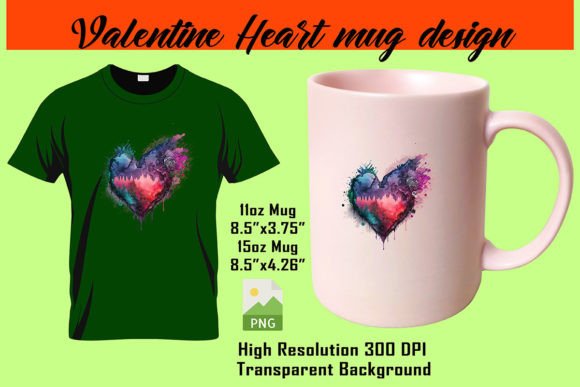
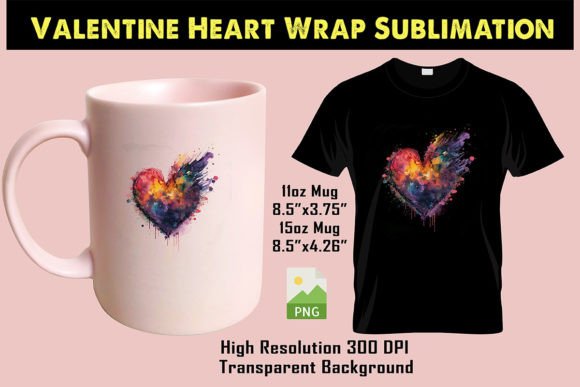
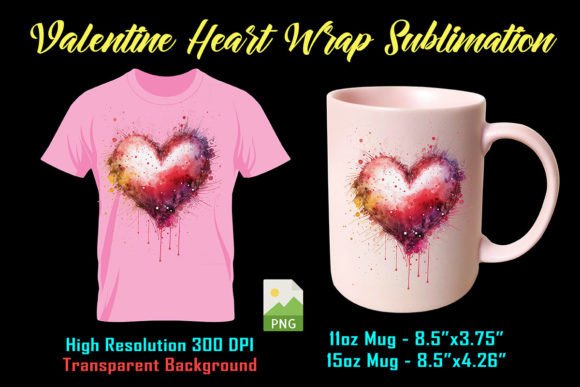
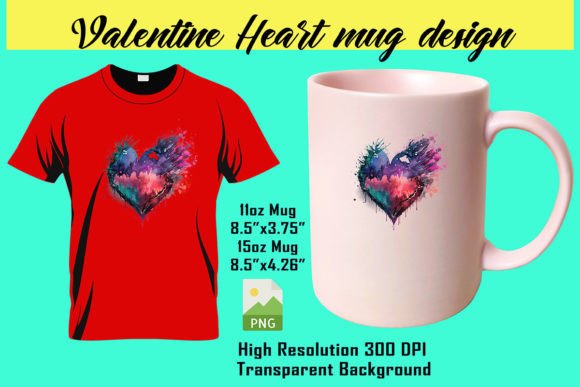
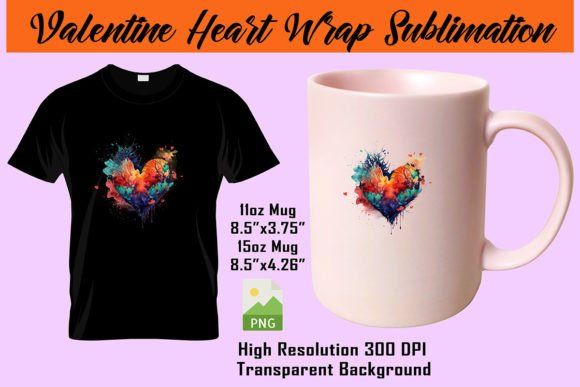
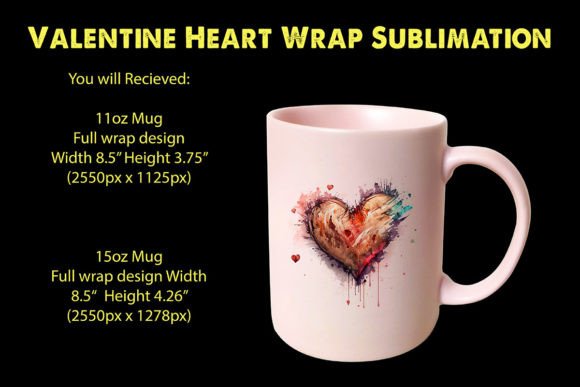
The file package includes two high-resolution 300 DPI RGB PNG images with transparent backgrounds, designed specifically for 11oz and 15oz mug sublimation. While the primary intent is clearly sublimation printing on ceramics, the visual appeal often tempts embroidery designers to adapt them for fabric. However, before you rush to load this into your machine software, there are critical factors regarding stitch density, detail resolution, and thread color contrast that must be evaluated. A design that looks crisp on a screen or a printed mug does not always translate perfectly to a stitched surface.
First Impressions and Visual Personality
The mood created by Valentine Heart Sublimation PNG Files is undeniably romantic and festive. The heart shape is classic, evoking feelings of love and warmth that are perfect for holiday collections. From a graphic design standpoint, the transparency of the background is a significant plus, allowing for seamless integration into mockups or layered designs. The 300 DPI resolution ensures that the lines are sharp and the details are visible, which is essential for any design asset intended for commercial use.
However, the transition from a flat digital image to a three-dimensional embroidered piece requires careful consideration. In its current format as a sublimation graphic, the design likely relies on smooth gradients or solid fills that look beautiful on a ceramic surface. When converting this to an embroidery file, those smooth edges can sometimes become jagged if the digitizing is not done correctly. For a handmade product to maintain professional quality, the visual personality must remain intact even after the texture of thread is introduced. If you are planning to use this as a base for a custom design, ensure that the intricate details do not get lost in the stitching process.
Real-World Application Scenarios
Let me walk you through a practical scenario. Imagine you are an Etsy seller preparing for Valentine's Day. You want to create a line of personalized tote bags and baby onesies. You decide to incorporate the heart motif from Valentine Heart Sublimation PNG Files into your collection. On paper, this seems like a winning strategy. The heart is universally recognized, and the "Valentine" theme guarantees seasonal relevance.
In practice, however, the application changes based on the fabric. If you are embroidering a cotton canvas tote bag, the design will hold up well, provided you use the correct stabilizer to prevent puckering. The bold lines of the heart would work beautifully with satin stitches, giving the finished product a glossy, premium look that customers associate with high-quality handmade goods. Similarly, for a baby sweatshirt, the soft curves of the heart could add a touch of elegance to a simple garment, making it a perfect personalized gift for new parents.
But consider a different scenario: a small batch of embroidered patches for a boutique brand. Here, the limitations of the original digital file become apparent. If the design contains tiny text or very fine lines intended for high-resolution printing, they may not survive the embroidery process. Embroidery has a physical footprint; every stitch takes up space. A design optimized for sublimation might require significant re-digitizing to ensure that the stitch density is appropriate for fabric. Without proper adjustment, the final patch could look cluttered or lose its definition entirely.
Where to Exercise Caution
While Valentine Heart Sublimation PNG Files offers a strong visual foundation, there are specific situations where you should proceed with extreme caution. Small hoop sizes are a common pitfall. If you attempt to stitch a detailed version of this design on a small area, such as a cap brim or a narrow sleeve cuff, the complexity of the pattern may overwhelm the available space. The result could be a muddled mess that fails to convey the intended message.
Textured fabrics present another challenge. Materials like fleece, heavy denim, or loosely woven linens can distort the design, causing threads to sink in or pull unevenly. Thin or stretchy fabrics, often used in baby clothes or fitted t-shirts, require a rigid stabilizer to maintain the integrity of the embroidery project. Without it, the heart shape might warp during the stitching process, leading to customer dissatisfaction.
Dense stitch areas are also a concern. If the original PNG suggests large filled areas, you must ensure that the digitized version allows for adequate spacing between stitches. Over-stitching can make the fabric stiff and uncomfortable, particularly for wearable items like aprons or pillow covers. Furthermore, dark fabrics require a different approach than light ones. You may need to add a backing layer or adjust the thread colors to ensure the design pops against the background. Always test the design in black and white mockups to check for contrast issues before committing to production.
Impact on Product Value and Brand Consistency
The way you execute Valentine Heart Sublimation PNG Files directly impacts your brand's reputation. In the competitive world of craft businesses, attention to detail is what separates a hobbyist from a professional. A poorly executed embroidery job can erode customer trust, while a flawless finish builds loyalty. If the design is digitized with care, paying attention to thread colors and running stitch precision, it elevates the perceived value of the finished product.
For sellers looking to expand their inventory, using a versatile design asset like this can streamline your workflow. It allows you to create cohesive collections across different products, from kitchen towels to holiday gifts. Consistency in design language helps buyers recognize your brand instantly. Whether you are creating a tote bag design or a set of matching aprons, the heart motif serves as a unifying element that ties the collection together. However, remember that the file itself is just a starting point; the true value lies in how you adapt it for the medium.
Practical Designer Notes for Execution
Before you start stitching, here are some essential steps to ensure success. First and foremost, test the design on scrap fabric. This is non-negotiable. It allows you to assess how the threads interact with the material and whether the hoop size needs adjustment. Check the thread color contrast carefully; a subtle shade change that works on a screen might disappear on fabric.
Review the stitch density and confirm that the design fits your machine's capabilities. If the file is provided as a raster image (PNG), you will need to convert it into a vector or digitize it manually to create a functional machine embroidery design. Ensure that you inspect small details closely, as these are often the first to fail during stitching. Use a proper stabilizer that matches the weight and drape of your fabric. Finally, verify the licensing terms. Since this is a digital download, confirm whether you are allowed to sell finished items made with this design, especially if you plan to use it for commercial embroidery projects.
In conclusion, Valentine Heart Sublimation PNG Files offers a solid visual template for creative entrepreneurs and makers. Its high resolution and clear heart motif make it a promising candidate for various craft business applications. However, the leap from digital graphics to physical embroidery requires skill, patience, and a willingness to experiment. By treating the file as a foundational asset rather than a plug-and-play solution, you can create stunning, professional-grade products that resonate with your customers. Whether you are designing for a personal gift or a boutique line, the key is to respect the medium and adapt the design accordingly.