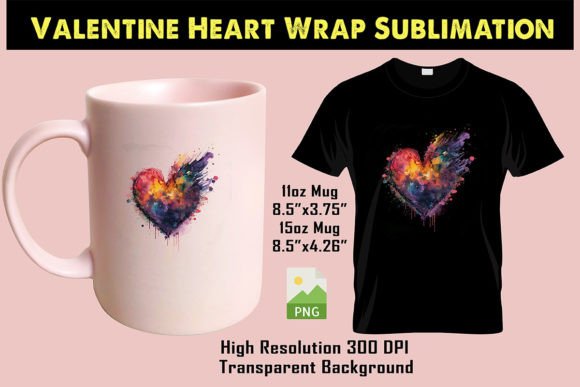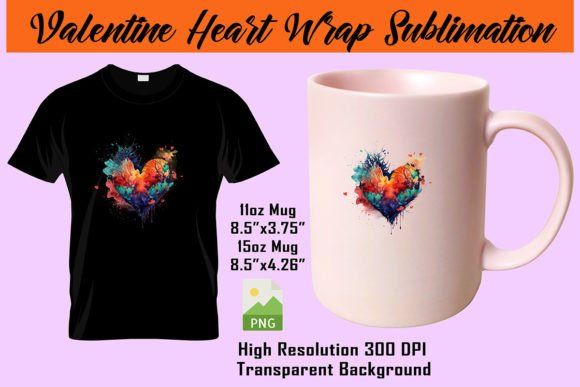
Heart Water Color Sublimation Review
When I first opened the package for Heart Water Color Sublimation, my initial reaction was a mix of excitement and caution. As someone who has spent years turning digital files into tangible, stitched treasures, I know that not every pretty image translates well to thread. This design falls under the Crafts and Graphics categories, specifically targeting those looking for high-resolution sublimation assets, but its potential application in machine embroidery is where the real story lies.
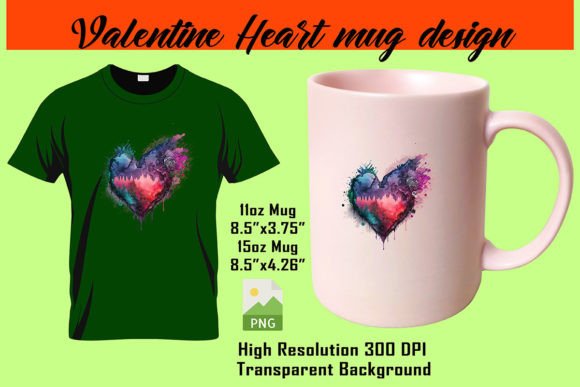
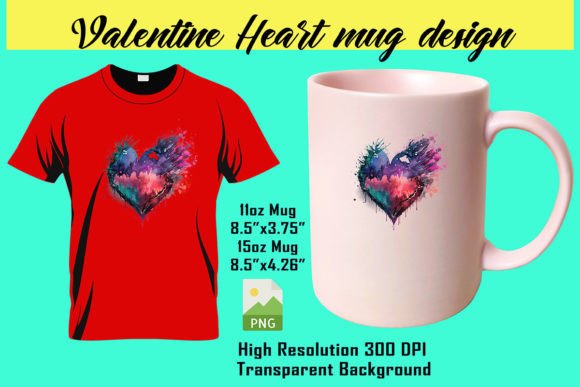
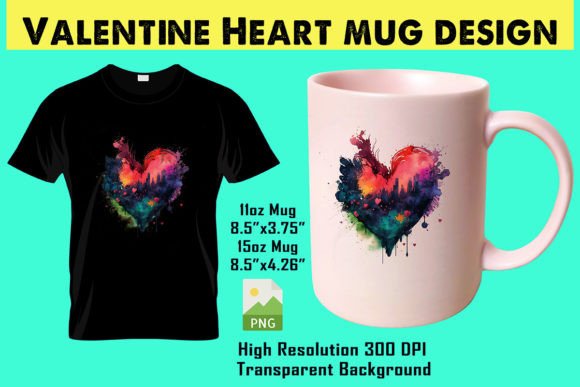
The file comes as a zip containing two PNG files at 300 DPI with a transparent background. While these are marketed primarily for 11oz and 15oz mug sublimation, the visual quality suggests it could be repurposed for a variety of textile projects. The watercolor aesthetic gives it a soft, romantic mood that feels perfect for bridal showers, baby gifts, or boutique home decor. However, before I commit this design to a client's custom sweatshirt or a batch of embroidered patches, I need to understand how it behaves on fabric versus paper.
First Impressions: Mood and Visual Personality
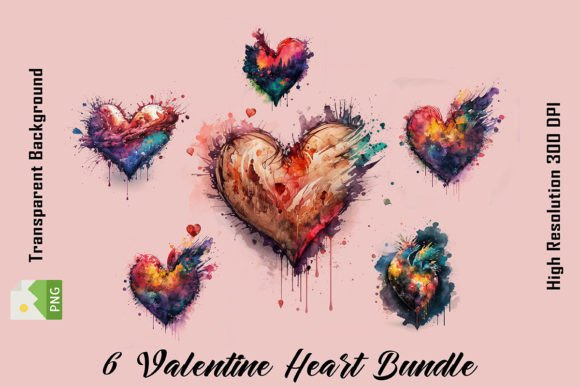
The Heart Water Color Sublimation design exudes a gentle, hand-painted charm. Unlike rigid vector graphics that often look stiff when stitched, this piece relies on soft gradients and blended edges that mimic the flow of paint. For an embroidery designer, this is a double-edged sword. The beauty of the watercolor effect is undeniable, but the lack of hard lines can sometimes lead to "muddy" results if the stitch density isn't managed correctly.
I immediately imagined this design on a cream-colored linen tote bag or a white tea towel. The RGB color profile ensures vibrant hues that would pop against light backgrounds. It feels like a design meant for emotional connection—something you'd give to a new mother or wear on a special anniversary. It lacks the aggressive edge of streetwear graphics and instead offers a quiet sophistication that fits well within a handmade shop's brand identity.
Real-World Application: A Case Study
Let's walk through a practical scenario. Imagine I am preparing a collection of personalized gifts for a local wedding shower. My plan is to create custom aprons for the bride-to-be and her bridesmaids using Heart Water Color Sublimation. I want the heart motif to serve as the focal point, perhaps accompanied by their names in a delicate script.
Here is where the reality of stitching sets in. If I were to attempt a direct digitization of this watercolor PNG, the result might lose the subtle shading that makes the original so appealing. To make this work, I would likely use a satin stitch border to define the shape and then use fill stitches to approximate the color blocks, rather than trying to replicate every gradient. The transparency of the PNG is a huge plus here; it means I can easily layer this over other elements in my design software without fighting a white box background.
If I were selling these aprons on Etsy, the visual appeal of the finished product would directly influence customer trust. A crisp, well-executed version of Heart Water Color Sublimation signals professionalism. Customers buying handmade goods are looking for uniqueness, and a watercolor heart stands out against the sea of standard block-letter monograms found in many small shops. It elevates the perceived value of the item, making it feel less like mass-produced merchandise and more like a curated, artisanal piece.
Where Caution is Key
While the design is versatile, there are specific situations where I would advise against using Heart Water Color Sublimation without significant adjustments. First, consider the hoop size. If you are working with a small 4x4 inch hoop, the fine details of the watercolor bleed might get lost in the stitching process. Tiny corners and thin lines can easily disappear under the tension of the needle or get distorted by the fabric shifting.
Texture is another major factor. On a smooth cotton canvas, the design will hold up beautifully. However, on a textured fabric like bouclé or a thick fleece sweatshirt, the soft edges of the watercolor heart may become indistinguishable from the fabric grain. Similarly, attempting this on stretchy knit fabrics requires careful stabilizer selection. Without proper backing, the natural movement of the fabric can cause the soft colors to warp, ruining the intended fluid look.
Dark fabrics present yet another challenge. Since the file is provided in RGB format, it assumes a light background. Placing this design on a navy blue hoodie without a substantial underlay or a white base layer will result in muted, muddy colors. The watercolor effect relies on light reflection, which dark fabrics simply do not provide in the same way.
Technical Considerations for the Designer
Before you download and start stitching, there are several technical steps you must take to ensure success. Always test the design on scrap fabric first. This allows you to check thread color contrast and see how the specific combination of threads interacts with your chosen material. You might find that a lighter thread shade brings out the highlights better than the original file suggests.
Reviewing the stitch density is crucial. Watercolor designs often require lower density to maintain that airy, painted feel. If the machine pushes too much thread into the fabric, you risk puckering, especially on lightweight materials like baby clothes or sheer curtains. Confirm your hoop size matches the design dimensions to avoid unnecessary trimming or distortion. Inspect the small details closely; if the file contains tiny lettering or intricate corner details, they may need to be simplified for embroidery to remain legible.
It is also wise to test the design in black and white mockups. Sometimes, a design looks great in full color but fails to hold its shape when viewed in grayscale, indicating a lack of contrast between the different sections. Compare how it looks on both light and dark fabric backgrounds to determine if you need to adjust the color palette or add a contrasting outline.
Final Thoughts on Value and Versatility
Heart Water Color Sublimation is more than just a graphic; it is a design asset that can significantly enhance the presentation of a handmade product. Whether you are creating commercial embroidery for a boutique, designing custom apparel for a craft fair, or producing digital product previews for your online store, this file offers a level of artistic flair that generic clip art cannot match.
For the creative entrepreneur, the ability to offer personalized gifts with such a distinct visual style is a competitive advantage. It helps build brand consistency and recognition among buyers who appreciate the nuance of watercolor aesthetics. However, remember that the final product depends entirely on your execution. Proper stabilizer usage, correct thread selection, and a thorough understanding of your machine's capabilities are non-negotiable.
If you are an Etsy seller or a small business owner looking to expand your catalog with unique items, this design is worth considering. Just remember to verify the licensing terms before selling finished items derived from this digital download. When used with care and skill, Heart Water Color Sublimation transforms from a simple PNG into a centerpiece of a cherished, handmade keepsake.