Water Color Valentine Heart: A Designer's Real-World Review
When I first opened the folder for Water Color Valentine Heart, my initial thought wasn't about stitch counts or file formats. It was about the mood. There is a specific kind of softness that watercolor graphics bring to embroidery, and this design captures it perfectly. As someone who spends hours tweaking digitized files and testing them on everything from baby onesies to boutique aprons, I know that not every digital image translates well into thread. However, this piece feels like it was born to be stitched.
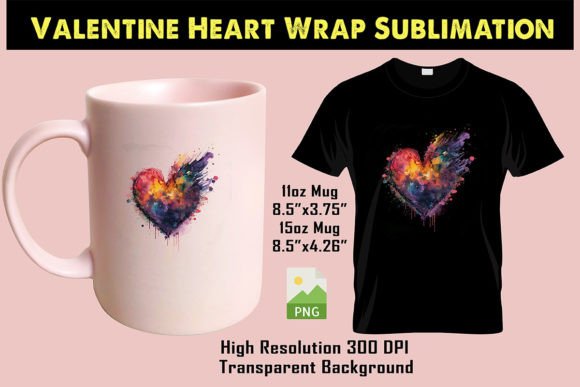
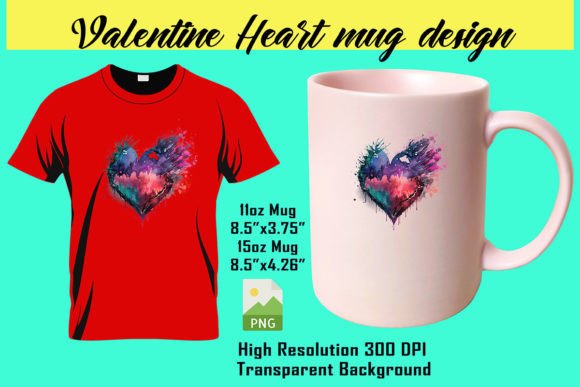
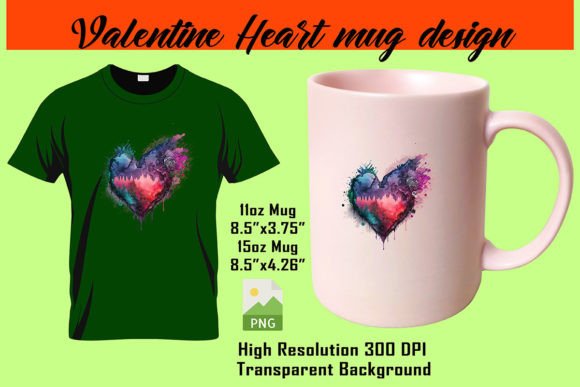
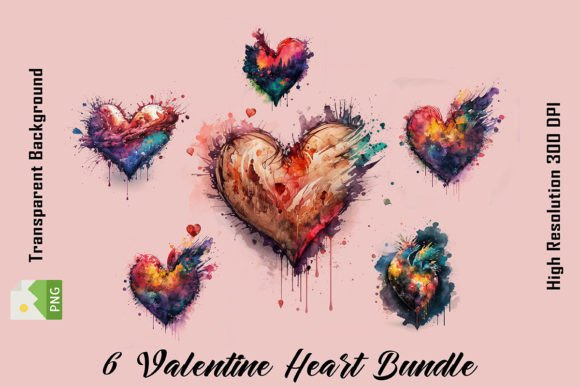
The concept is simple yet effective: a heart rendered with the fluid, bleeding edges characteristic of watercolor art. For an embroiderer, this presents a unique challenge. We are used to hard lines defined by satin stitches or dense fill patterns. This design asks us to embrace softness in a medium that is inherently structured. If you are looking for a crisp, geometric logo, this isn't it. But if you want to create a handmade product that feels organic, romantic, and distinctly artisanal, Water Color Valentine Heart hits the mark immediately.
From Digital File to Finished Product
I recently decided to put this design to the test on a custom project for a local client. She runs a small shop selling personalized gifts and wanted something for her Valentine's Day collection that felt less "mass-produced" and more "crafted." She needed a design for embroidered tote bags and kitchen towels. The Graphics category often includes items that look great on screen but fall flat when printed or stitched, but this one had potential.
I selected a natural canvas tote bag as my base. The goal was to see how the watercolor aesthetic would interact with the rough texture of the fabric. When I hooped the bag and started the machine, the result was surprisingly delicate. The soft gradients of the design translated beautifully into a series of carefully placed stitches. It didn't scream; it whispered. On a tote bag, which serves as a walking billboard for a brand, this subtle approach actually generated more interest than a bold, loud graphic would have.
However, the transition from a high-resolution PNG to a physical object requires careful planning. The product description notes that you receive 300 DPI RGB PNG files with transparent backgrounds. While these specs are excellent for creating printable mockups or listing images on Etsy, they do not automatically tell you how the embroidery machine will read the file. You must ensure your digitizing software interprets the transparency correctly so that the background doesn't end up as a block of white stitching. In my experience, the key to making Water Color Valentine Heart shine lies in the thread selection.
Navigating Fabric and Stitch Density
One of the most critical aspects of using any machine embroidery design is understanding where it should and shouldn't go. The fluid nature of this watercolor heart makes it particularly sensitive to fabric choice. I tested it on a standard cotton twill for the tote, but I also considered using it on a sweatshirt or a baby item.
For apparel like sweatshirts or t-shirts, this design works wonderfully because the slight give in the fabric complements the soft edges. It creates a comfortable, worn-in look that customers love. However, I would advise caution when placing this on stretchy fabrics without proper stabilizer. Watercolor effects rely on the illusion of flow, and if the fabric puffs or distorts under tension, that illusion breaks. Always use a cut-away stabilizer for knitwear to maintain the integrity of the design.
There are also scenarios where this design might struggle. If you are working with a very small hoop size, the fine details of the watercolor wash might get lost. Tiny lettering or intricate corners often require a higher stitch density to hold their shape, which can sometimes muddy the delicate watercolor effect. Similarly, on dark fabrics, the lighter tones of the heart may require extra layers of stitching or a specific underlay technique to pop against the background. If you plan to sell these items as part of a craft business, you need to be prepared to offer different colorway options for different fabric types.
I also found that textured fabrics, like heavy linen or bouclé, can sometimes obscure the subtle transitions of the watercolor style. On a smooth surface, the design looks like a painting. On a rough surface, it can look a bit grainy. This doesn't mean you can't use it, but it does mean you need to manage expectations. The best results come from pairing this design with clean, solid-colored backgrounds that allow the art to breathe.
Practical Tips for the Embroidery Designer
If you are an Etsy seller or a small shop owner looking to add this to your inventory, here is what I learned during my trial run. First, always test the design on scrap fabric before committing to a final product. This is non-negotiable. You need to verify that the stitch density is appropriate for the material you are using. Too much density can make the fabric stiff and ruin the drape of a garment; too little can leave gaps that look unfinished.
Second, pay close attention to the thread colors. Since the original file is RGB, you will need to translate those colors into your specific thread palette. Don't just pick the closest match; think about the mood. A pale pink thread might not show up well against a cream shirt, whereas a slightly deeper rose could provide the necessary contrast while maintaining the soft aesthetic. I recommend testing your thread choices in black and white mockups first. Sometimes, what looks vibrant in color loses all its definition when viewed in grayscale, which is crucial for ensuring your finished product has good visual weight.
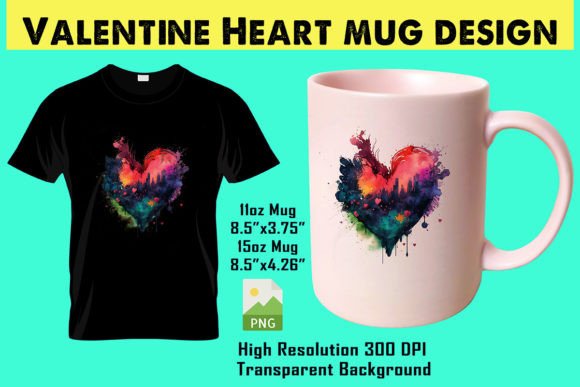
Another vital step is checking the licensing terms. The product description mentions that this is a digital download containing PNG files suitable for sublimation designs on mugs. It explicitly states "11oz Mug Full w," implying a focus on drinkware. However, many designers assume they can use digital graphics for embroidery without verifying the license. Before you start selling custom apparel or embroidered patches featuring this design, confirm whether the license covers commercial use. Some digital assets are for personal use only, and violating these terms can lead to serious issues for your business.
Finally, consider the presentation. When you photograph your personalized gift items, the lighting plays a huge role. The watercolor style reflects light differently than a solid satin stitch. Ensure your photos capture the texture of the thread to show customers the quality of the work. This builds trust and helps justify the price point of your handmade goods.
Why This Design Fits the Modern Craft Market
The market for handmade goods is saturated, but there is a growing demand for items that feel authentic and artistic. Water Color Valentine Heart taps into this desire. It moves away from the rigid, industrial look of older embroidery styles and embraces a softer, more contemporary aesthetic. Whether you are creating holiday gifts, wedding favors, or boutique branding materials, this design adds a touch of elegance that resonates with buyers.
It is versatile enough to appear on a variety of items. Imagine a set of matching kitchen towels for a housewarming gift, or a collection of embroidered caps for a summer festival. The design's simplicity allows it to adapt to different contexts without losing its identity. It is a design asset that can elevate a basic product into something special.
In conclusion, my experience with Water Color Valentine Heart confirms that it is a valuable addition to any designer's library. It requires a bit more finesse than a standard block-letter design, but the payoff in terms of customer satisfaction and brand perception is significant. By paying attention to fabric choices, stabilizers, and thread selections, you can transform this digital file into a stunning embroidery project that stands out in a crowded marketplace. Just remember to do your homework on the technical details before you hit the "start" button on your machine, and you will be rewarded with beautiful, professional results.