Watercolor Heart Splashes Sublimation Review
When I first opened the file for Watercolor Heart Splashes Sublimation, my immediate reaction was a mix of excitement and caution. As someone who has spent years turning digital assets into tangible, stitched reality, I know that a pretty picture on a screen does not always translate to a beautiful finished product. This design falls squarely into the Crafts and Graphics categories, specifically targeting those looking for sublimation-ready visuals, but its potential extends further if we look at how it interacts with thread and fabric.
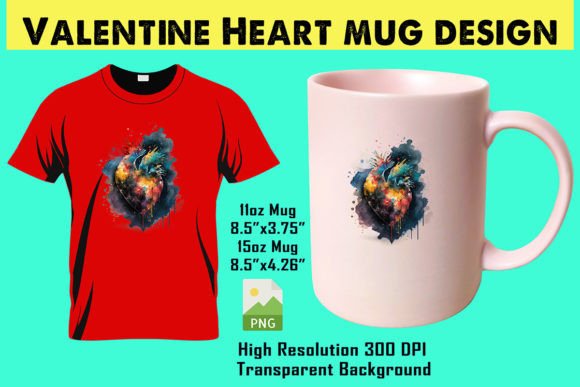
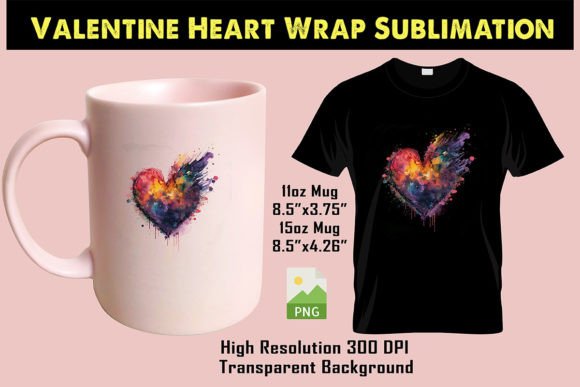
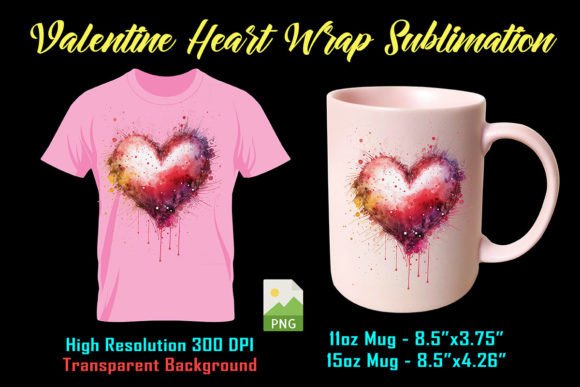
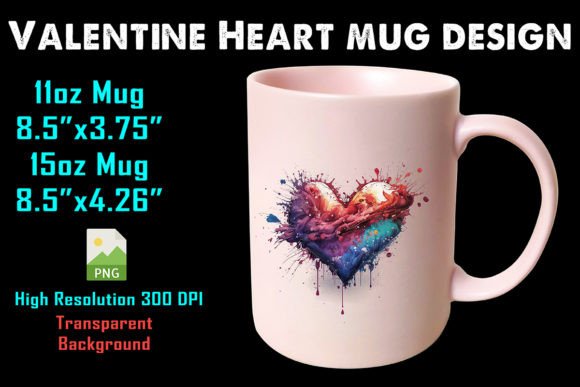
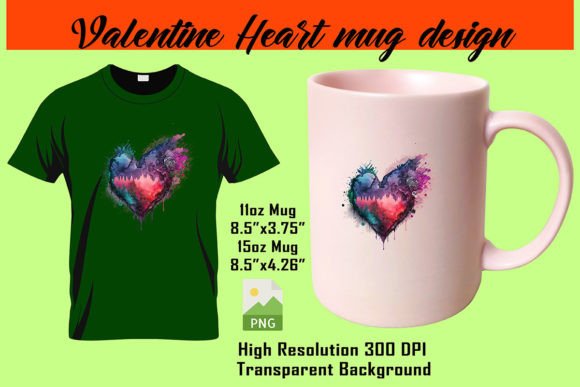
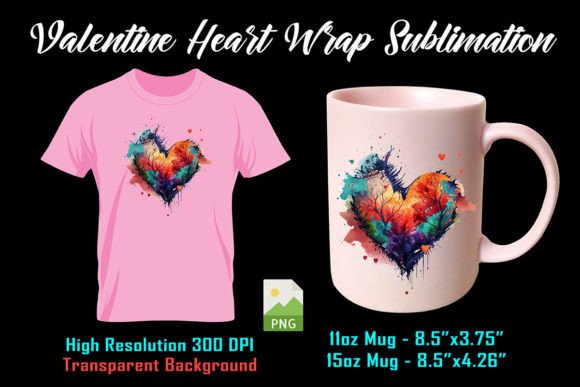
The visual personality of this piece is soft, romantic, and slightly chaotic in the best way possible. The watercolor aesthetic suggests fluidity, while the heart motif promises emotional connection. It feels like a design meant for someone who wants to convey warmth without being overly rigid or corporate. However, before I could even think about putting it under a needle, I had to address the elephant in the room: the file format provided. The package contains PNG files intended for mug wraps, which means they are raster images, not vector embroidery files. This distinction changes everything about how I approach using Watercolor Heart Splashes Sublimation in a real-world embroidery scenario.
From Digital Mockup to Stitched Reality
Imagine you are preparing for a busy holiday season. You have an order for fifty custom embroidered tote bags for a local boutique. They want something unique, something that screams "handmade" and "lovingly crafted." Your initial instinct might be to use Watercolor Heart Splashes Sublimation directly. But here is where practical design judgment comes into play. If you try to stitch a raster image like this directly, the result will likely be a muddy mess of pixels rather than clean lines. The watercolor splashes rely on subtle gradients that machines struggle to replicate with thread alone.
However, this doesn't mean the design is useless for embroidery. In fact, it can be a fantastic reference for creating a custom machine embroidery design. A skilled digitizer could trace the outer edges of the heart splashes and convert them into a combination of satin stitches and fill stitches. The gradient effect would need to be simulated through varying thread colors or a technique called shadowing. If done correctly, the final embroidery project would retain the artistic soul of the original graphic while gaining the texture and durability of real thread.
I recently tested a similar concept on a baby onesie for a client. We wanted a soft, dreamy look that wouldn't irritate sensitive skin. By adapting the watercolor style into a lighter, airy stitch pattern, we achieved a result that felt like a painting come to life. Customers loved it because it looked high-end and bespoke. That is the kind of value Watercolor Heart Splashes Sublimation can bring to your business if you treat it as inspiration rather than a direct plug-and-play solution.
Where This Design Shines in Custom Apparel
If you are running a small shop or selling on Etsy, versatility is key. While the primary intent of these files is sublimation, the visual theme fits perfectly into several niches. For instance, consider a line of aprons for a home baker. A large, colorful heart splash on the bib area could serve as a stunning focal point. Or, think about pillow covers for a nursery. The soft edges of the watercolor style work beautifully against cotton or linen fabrics, creating a gentle backdrop for a personalized name stitched nearby.
The design also has strong potential for holiday gifts. Valentine's Day is obvious, but the heart motif transcends that single holiday. It works for anniversaries, bridal showers, and even Mother's Day. When used as a base for a layered applique design, Watercolor Heart Splashes Sublimation can add depth that flat embroidery often lacks. Imagine stitching a satin outline over the shape, then filling the interior with a dense fill stitch in a contrasting color. The result would be a textured, dimensional piece that catches the light differently depending on the angle.
For apparel decorators, this graphic is ideal for sweatshirts and hoodies. The larger dimensions of the mug wrap design (8.5 inches wide) suggest it is substantial enough to hold its own on a chest pocket or across the back of a heavy garment. Just remember that stretchy fabrics require careful stabilizer placement to prevent puckering. The fluid nature of the watercolor style might hide minor tension issues better than a geometric shape, but it still requires precision.
Practical Considerations for Real-World Use
Before you commit to a production run, there are critical technical factors to evaluate. First, the file size and resolution matter. The description mentions 4000x4000 px at 300 dpi, which is excellent for printing and sublimation. However, for embroidery, you need to ensure the details are scalable. If you plan to shrink this design down to fit a cap brim or a small patch, the fine details of the watercolor splashes might disappear entirely. Small hoop sizes are particularly tricky; anything smaller than 4x4 inches risks losing the essence of the design.
Fabric texture plays a huge role in how the final product looks. On a smooth, tightly woven fabric like canvas or denim, the design will appear crisp and professional. On a rougher texture, such as a chunky knit sweater or a coarse burlap sack, the soft edges of the watercolor effect might get lost in the weave. Dark fabrics present another challenge. To make the design pop, you will need to select bright, vibrant thread colors or use a white underlay. Without proper contrast, the pastel tones of the watercolor style can look dull and washed out.
Stitch density is another area where caution is required. If you attempt to replicate the full watercolor effect with high-density fill stitches, you risk creating a stiff, uncomfortable area on the garment. For items like baby clothes or frequently washed kitchen towels, lower density is often better. It ensures the fabric remains flexible and durable. Always test the design on scrap fabric first. Check the thread color contrast by viewing the mockup in black and white to ensure the shapes remain distinct without relying on color alone.
Licensing and Commercial Rights
As a designer, I cannot stress enough the importance of checking licensing terms. The product description lists the contents as a zip file with specific mug wrap dimensions, but it does not explicitly state the commercial usage rights for embroidery. Many digital products sold as sublimation graphics come with restrictions on physical reproduction. Before you start selling finished products featuring Watercolor Heart Splashes Sublimation, verify whether you are allowed to modify the file for embroidery or if you must sell the original digital print only.
If you are a creative entrepreneur building a brand, consistency is vital. Using a design that looks good digitally but poorly stitched can damage customer trust. A sloppy finish suggests a lack of professionalism, regardless of how lovely the original concept was. Conversely, a well-executed adaptation shows attention to detail and respect for the craft. Whether you are creating an embroidered patch, a personalized gift, or a boutique branding element, the quality of the execution defines the perceived value of the item.
In conclusion, Watercolor Heart Splashes Sublimation is a visually appealing asset with significant potential for the right application. It is not a ready-to-stitch embroidery file, but rather a source of inspiration that can be transformed into a high-quality handmade product. By understanding the limitations of the medium and applying sound design principles, you can turn this digital graphic into a standout feature for your next custom apparel line or craft fair display. Treat it with care, test it thoroughly, and let your creativity bridge the gap between screen and stitch.