Watercolor Love Valentine Sublimation: A Designer's Reality Check
I have spent years reviewing digital assets for the craft industry, and I am often asked to look past the pretty preview images to see how a design actually translates into a physical object. Today, I am putting Watercolor Love Valentine Sublimation through that same rigorous evaluation. As an experienced designer who values practical application over marketing fluff, my goal is to help you understand if this graphic asset truly belongs in your next embroidery project or commercial product line.
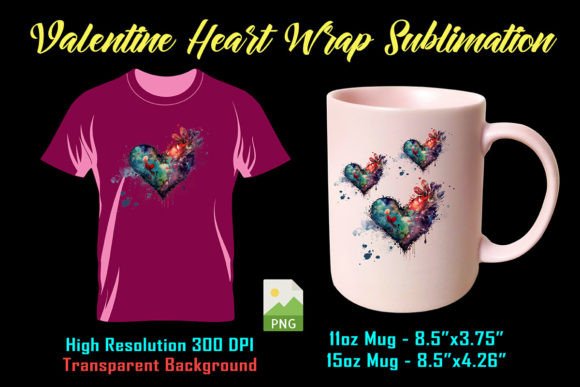
At first glance, the visual personality of Watercolor Love Valentine Sublimation suggests a soft, romantic aesthetic. The watercolor style implies fluidity and artistic depth, which stands in stark contrast to the rigid geometry often found in standard machine embroidery designs. For a crafter or Etsy seller looking to create something unique for the holiday season, the mood is undeniably appealing. However, the transition from a flat PNG file to a stitched textile requires careful consideration of texture, stitch density, and fabric interaction.
The Real-World Application Scenario
To truly judge this design, I need to visualize it in a specific context. Imagine you are preparing inventory for a boutique shop or a personal gift order for a client. You decide to apply this artwork to a custom embroidered tote bag made of heavy canvas or perhaps a baby onesie made of soft cotton jersey. This is where the rubber meets the road.
If you intend to use Watercolor Love Valentine Sublimation as a base for a complex embroidery project, the challenge lies in replicating those delicate watercolor gradients with thread. A standard satin stitch can sometimes flatten the image too much, losing the "wet paint" effect that makes the original graphic so charming. Conversely, using a combination of fill stitches and running stitches might capture the organic feel better, but only if the underlying design structure supports it.
Consider a scenario where you are creating personalized gifts for a wedding or anniversary. The design needs to hold up under scrutiny. If the stitching looks muddy or the colors bleed into each other due to poor thread selection, the perceived value of your handmade product drops immediately. Customers buying custom apparel or embroidered patches expect precision. They want to see that the artisan has put thought into the execution, not just slapped a design on a shirt.
Performance Across Different Materials and Products
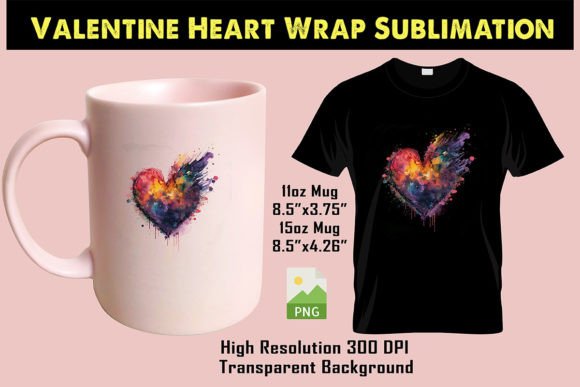
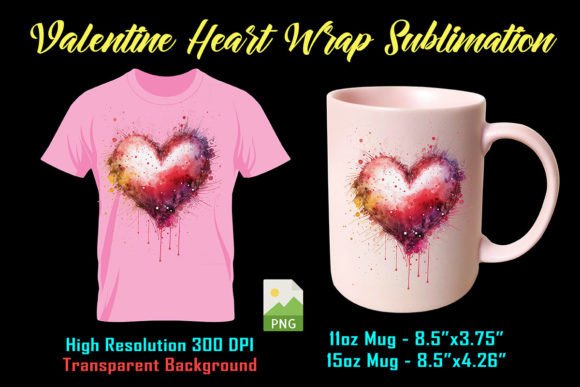
When evaluating how this design performs in real-life situations, we must look at the versatility of the source material. The product description indicates that Watercolor Love Valentine Sublimation comes as high-resolution PNG files suitable for sublimation printing on mugs. While this is excellent for direct-to-garment or mug wrapping, repurposing these graphics for actual embroidery requires a different mindset.
- Apparel and Sweatshirts: On a sweatshirt, the design could work beautifully if digitized correctly. The larger surface area allows for the watercolor details to breathe without feeling cramped. However, on thin fabrics like t-shirts, the stabilizer needed to support the design might be visible, affecting the drape.
- Baby Items and Nursery Decor: For baby clothes or pillow covers, the soft theme fits perfectly. Yet, you must ensure the final stitch count is not too dense. Babies have sensitive skin, and a stiff, heavily stitched patch can be uncomfortable.
- Holiday Gifts and Kitchen Towels: Tea towels and aprons are great candidates for this style. The textured weave of a kitchen towel can actually complement the watercolor look, hiding minor imperfections in the stitch work.
- Small Business Merchandise: If you are an Etsy seller or running a small shop, consistency is key. Using design assets like this helps maintain brand recognition, but only if the finished product matches the digital mockup closely.
Critical Limitations and Where to Proceed with Caution
Not every design is suitable for every project. There are specific scenarios where Watercolor Love Valentine Sublimation might struggle. First, consider small hoop sizes. If you are trying to fit this design onto a cap or a tiny accessory, the intricate details of the watercolor style may get lost or become unrecognizable when reduced in scale.
Textured fabrics present another hurdle. A rough burlap or a highly patterned fabric can interfere with the clarity of the design. The thread might not lay flat, causing the "paint" effect to look distorted. Similarly, stretchy fabrics require a very specific approach to stabilizing; otherwise, the embroidery might pucker after washing, ruining the professional look of the item.
Dense stitch areas are particularly tricky with watercolor styles. If the original graphic relies on subtle shading rather than bold lines, a machine embroidery conversion might result in a blocky appearance. This is especially true if you attempt to use dark fabrics. The contrast between the thread colors and the background fabric will dictate whether the design pops or gets swallowed by the material.
Impact on Visual Appeal and Customer Trust
The way a design is executed directly influences customer trust. A sloppy embroidery project signals a lack of professionalism, regardless of how beautiful the original graphics were. When a buyer sees a well-executed piece of commercial embroidery, they associate that quality with the entire brand. They are more likely to return for future purchases, such as personalized gifts or holiday embroidery items.
Watercolor Love Valentine Sublimation has the potential to elevate a product from a generic souvenir to a thoughtful, artisanal piece. However, this potential is only realized if the stitch density and thread colors are chosen with intention. You must test the design to ensure it retains its emotional resonance. Does it still feel romantic? Does it convey love effectively? These are the questions that separate a good product from a great one.
Essential Notes for the Embroidery Designer
Before you commit to a full production run, there are several practical steps you must take. Do not assume the file will work perfectly out of the box. Here is my checklist for anyone planning to use this asset:
- Test on Scrap Fabric: Always run a test on a scrap piece of the same material you plan to use. This reveals issues with puckering, tension, and color bleeding before you ruin a final product.
- Check Thread Color Contrast: Ensure the thread palette offers enough contrast against your chosen fabric. Low contrast can make the design invisible, while high contrast might look harsh if not balanced correctly.
- Review Stitch Density: Look closely at the digitization. Areas with too many stitches can cause fabric distortion, while areas with too few might look sparse and unfinished.
- Confirm Hoop Size: Verify that your hoop size accommodates the design dimensions without cutting off edges. This is crucial for maintaining the integrity of the composition.
- Inspect Small Details: Zoom in on the digital file. Are there tiny lines or text that might disappear during the stitching process? If so, simplify the design or increase the scale.
- Test Black and White Mockups: Convert your design to grayscale to check the tonal balance. Sometimes a design looks colorful but lacks depth when viewed in monochrome.
- Use Proper Stabilizer: Match your stabilizer to the fabric weight. Heavy-duty projects need heavy stabilizers, while delicate items need light, tear-away options.
- Licensing Verification: Confirm the licensing terms before selling finished items. Some digital embroidery files are for personal use only, while others allow commercial sales. Never assume; always read the fine print.
In conclusion, Watercolor Love Valentine Sublimation offers a beautiful starting point for creative entrepreneurs and hobbyists alike. It brings a touch of elegance and softness to the world of craft business products. However, success depends entirely on your ability to translate that digital beauty into a tangible, high-quality textile experience. By following these guidelines and respecting the limitations of the medium, you can create stunning finished products that customers will cherish.