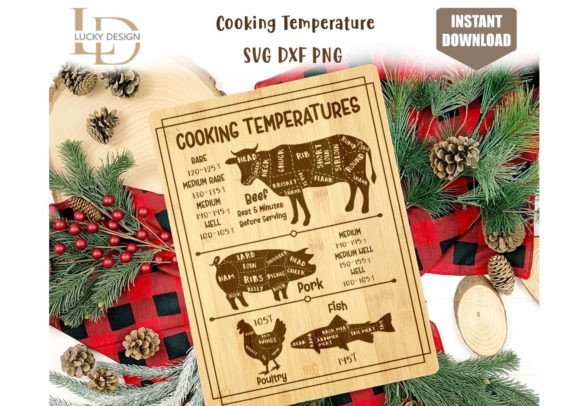
Cooking Temperature 3: A Designer's Real-World Embroidery Review
When I first opened the download for Cooking Temperature 3, my initial reaction wasn't about the file formats or the resolution. It was about the mood. As a designer who spends hours troubleshooting stitch density and thread breaks, I look for designs that communicate a story before the needle even touches the fabric. This piece immediately felt like a warm kitchen conversation—casual, inviting, and perfect for someone who treats cooking as both a science and an art.
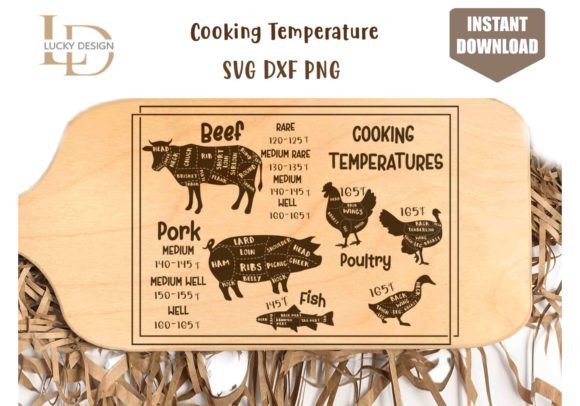
The visual personality of Cooking Temperature 3 is straightforward but effective. In its black-and-white preview, the layout feels balanced, avoiding the cluttered look that often plagues digital graphics converted into embroidery files. For an embroidery project centered on culinary themes, it strikes a nice balance between text and iconography. It doesn't scream "kitchen" with cliché chef hats; instead, it whispers it through a clever play on numbers and temperature scales. This subtlety is exactly what separates a mass-produced item from a handmade product that customers actually want to keep.
From Digital File to Finished Product: The Tote Bag Scenario
Let's imagine a real-world scenario. You are preparing for a local craft fair or updating your Etsy shop for the holiday season. You decide to create a custom embroidered tote bag for home cooks. You need something that looks professional but retains that personal touch. This is where Cooking Temperature 3 comes into play.
I ran this design through my mental simulation for a canvas tote bag. The clean lines of the graphic translate well to the rough texture of cotton canvas. Unlike intricate floral patterns that might get lost in the weave of heavy fabric, the bold nature of this design ensures visibility. When stitched onto a tote, it becomes more than just a decoration; it acts as a badge of identity for the owner. A customer buying a bag with this specific motif knows they aren't just carrying groceries; they are signaling their passion for precision in the kitchen.
The versatility here is key. While a tote is a classic choice, Cooking Temperature 3 has a strong potential for sweatshirt embroidery. Imagine a cozy, oversized knit sweater with this design placed over the heart. The contrast of the black stitching against a heather grey or cream background creates a modern, streetwear-inspired aesthetic. It works equally well for baby clothes, offering a cute yet sophisticated option for nursery decor or a baby shower gift. The design avoids being too childish, making it suitable for older children or even adults who appreciate a minimalist approach to custom apparel.
Navigating Fabric and Stitch Challenges
However, not every surface is created equal. As an experienced reviewer, I have to point out where Cooking Temperature 3 might require extra caution. If you are planning to use this on a curved surface like a baseball cap, you will need to pay close attention to the digitization. Curved surfaces can distort straight lines if the hoop size isn't perfectly matched to the curve of the hat. A design that looks flat on a screen might pucker slightly if the stabilizer isn't robust enough.
Texture is another factor. While this design shines on smooth fabrics like twill or tight-weave cotton, it might struggle on highly textured materials like chunky bouclé or loose linen. The stitch density needs to be sufficient to anchor the design, but if the fabric is too loose, the threads may pull through, ruining the crispness of the lettering. For embroidered patches, the edges must be clean. If the design includes tiny details or small lettering, ensure that the hoop size allows for adequate spacing so the machine doesn't skip stitches in crowded areas.
Dark fabrics present their own set of challenges. Since the provided files are in black, using this on a dark shirt requires a white underlay or a light-colored top thread to make the design pop. Without proper contrast, the design could disappear into the fabric, defeating the purpose of a high-quality finished product. Always test the thread color contrast on a scrap piece of your actual material before committing to a client's garment.
Visual Appeal and Brand Consistency
In the world of Etsy sellers and small business owners, presentation is everything. Cooking Temperature 3 offers a level of professionalism that elevates the perceived value of your items. When a buyer sees a neatly executed design with consistent satins and fill stitches, they trust the quality of the entire brand. It signals that you care about the details, which translates to higher customer retention.
This design also fits seamlessly into holiday embroidery collections. Think of it as a centerpiece for a Christmas stocking or a personalized apron for a family gathering. The theme of temperature and cooking is universally understood, making it a safe yet stylish choice for gifts. It avoids the generic "Merry Christmas" tropes while still feeling festive when paired with complementary elements like holly or cinnamon sticks (if you choose to layer them). The ability to use this as a design asset in a larger composition gives you creative freedom to build a cohesive collection.
Practical Notes for the Embroidery Designer
Before you hit the start button on your machine, there are a few critical steps to ensure success. First, always test the design on scrap fabric. This simple step saves time, money, and frustration. Check the stabilizer type; a cut-away stabilizer is usually best for maintaining the shape of the design on stretchy fabrics like t-shirts or jerseys.
Review the stitch density carefully. If the design feels too dense, it might cause puckering on lighter fabrics. Conversely, if it feels too sparse, it might lack durability after multiple washes. Inspect the small details to ensure they are legible at the intended size. Sometimes, a design that looks great in a printable mockup reveals flaws when stitched at a smaller scale.
If you plan to sell finished items or digital products, confirm the licensing terms associated with Cooking Temperature 3. Ensure you have the right to use the files for commercial purposes. Also, verify the file formats. The description mentions SVG, PNG, and EPS files, which are excellent for vector scaling and raster editing. However, if you need a native machine format (like .PES, .DST, or .JEF), you may need to convert these files or check if the creator provides them separately. Do not assume compatibility without verifying.
Final Thoughts on a Versatile Design Asset
Cooking Temperature 3 stands out as a practical, stylish, and versatile addition to any craft business inventory. It bridges the gap between hobbyist projects and professional merchandise. Whether you are creating a one-off gift for a friend or producing a line of boutique products, this design offers the reliability and aesthetic appeal that modern buyers expect.
By understanding its strengths and limitations, you can maximize its potential. Use it on tote bags, aprons, and kitchen towels where the theme naturally fits. Avoid it on extremely textured or stretchy fabrics unless you have mastered the stabilization techniques. With the right preparation, Cooking Temperature 3 can become a staple in your repertoire, helping you deliver high-quality personalized gifts and commercial embroidery pieces that leave a lasting impression.
Remember, the difference between a good design and a great finished product often lies in the execution. Take the time to test, adjust, and refine. Your customers will notice the difference in the quality of the stitching and the clarity of the design. Happy stitching!