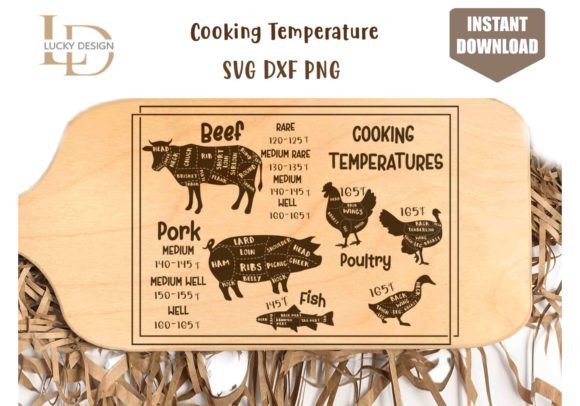
Cooking Temperature 2: A Designer's Real-World Embroidery Review
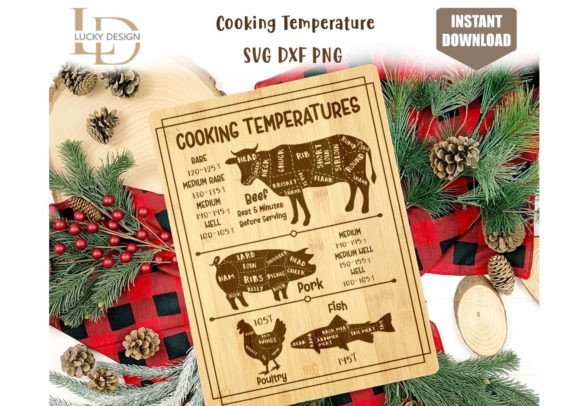
When I first opened the download for Cooking Temperature 2, my initial reaction wasn't about the file formats or the technical specs. It was about the vibe. This isn't just a generic text graphic; it carries a specific mood that immediately signals warmth, precision, and a touch of culinary humor. As someone who has spent years reviewing machine embroidery design assets for small businesses and personal projects, I look for designs that translate well from a digital screen to a physical stitch. In this case, Cooking Temperature 2 feels like a natural fit for the kitchen, but its potential stretches much further into custom apparel and boutique branding.
First Impressions: Mood and Visual Personality
The layout of Cooking Temperature 2 is clean and direct. The theme suggests a focus on heat and precision, which creates an inviting atmosphere for anyone who loves cooking or baking. From a design perspective, the visual personality is approachable yet professional. It doesn't scream "loud novelty" but rather whispers "handcrafted quality." This subtlety is crucial for modern embroidery project work because it allows the product to stand out without overwhelming the fabric texture.
I found myself immediately picturing how this would look stitched onto various materials. The black high-resolution files suggest a bold contrast, which is perfect for creating a sharp, legible finish. Whether you are designing for a tote bag design or a kitchen towel, the design possesses a visual weight that anchors the piece. It feels like something a customer would proudly display in their home or wear to a farmers market, signaling that they take their craft seriously.
Real-World Application: From Screen to Stitch
To truly evaluate Cooking Temperature 2, we have to move beyond the mockup and imagine it in a real production environment. Let's say I am preparing a batch of custom embroidered aprons for a local boutique. The goal is to create a cohesive line of small shop product items that appeal to foodies and home cooks. Using Cooking Temperature 2 here makes immediate sense. The design acts as a focal point on the chest pocket or the lower hem, adding a personalized touch that elevates the perceived value of the garment.
Imagine taking this same asset and applying it to a sweatshirt embroidery project for a holiday gift. The cozy nature of the fabric pairs beautifully with the culinary theme. The design could be placed on the sleeve or the back yoke, creating a statement piece that feels both trendy and timeless. For baby embroidery items, such as a onesie or a bib, the playful temperature concept adds a layer of charm that parents love. It transforms a standard piece of clothing into a personalized gift that tells a story about family traditions and shared meals.
Another scenario involves creating branded merchandise for a craft business. If you are an Etsy seller specializing in handmade goods, Cooking Temperature 2 can serve as a versatile element in your design assets library. You might use it to create a series of embroidered patches to sell separately, or incorporate it into a larger composition for a pillow cover collection. The versatility extends to commercial embroidery projects where consistency is key. The clean lines ensure that whether you are stitching one item or fifty, the brand message remains clear and professional.
Navigating Challenges: Where Caution is Required
While Cooking Temperature 2 is a strong candidate for many projects, no single design is a magic bullet for every situation. As an experienced reviewer, I must highlight where this design requires careful consideration. One of the primary constraints is the hoop size. If the design contains intricate details or tight spacing between letters, attempting to stitch it on a very small hoop might result in thread breakage or loss of definition. Always verify the dimensions against your machine's capabilities before committing to a full production run.
Fabric selection is another critical factor. Textured fabrics, such as heavy denim or chunky knits, can sometimes distort fine details. Similarly, thin or stretchy fabrics require extra attention to stabilizer placement. Without adequate support, the tension of the stitches can cause the fabric to pucker, ruining the aesthetic of the finished product. Dark fabrics are generally safe given the black color of the design, but if you plan to use colored threads, you must ensure there is sufficient contrast to maintain readability.
Curved surfaces, like caps or hats, present their own set of challenges. While Cooking Temperature 2 might look great flat, the curvature of a cap can stretch the design unevenly. Testing on scrap material is non-negotiable here. Additionally, areas with dense stitch work may not perform well on products that undergo frequent washing, such as dish towels or aprons. Over time, high-density areas can trap lint or lose their crispness if not stabilized correctly. Understanding these limitations helps prevent costly mistakes and ensures customer satisfaction.
Impact on Brand Value and Customer Trust
In the world of handmade commerce, the quality of your embroidery speaks volumes about your professionalism. A well-executed Cooking Temperature 2 design enhances brand consistency and builds customer trust. When a buyer sees a clean, precise stitch job, they assume the rest of the product matches that level of care. Conversely, a sloppy execution can undermine the entire effort, regardless of how good the underlying design idea is.
This design also plays a significant role in giftability and recognition. Because the theme is universally understood, it resonates with a wide audience. Whether it is a wedding gift for a couple who loves to cook or a corporate swag item for a culinary school, the design serves as a conversation starter. It adds a layer of emotional connection that mass-produced items often lack. By choosing a design that balances humor with elegance, you position your handmade product as a thoughtful choice rather than a generic commodity.
Practical Designer Notes for Success
Before you hit the start button on your machine, there are several steps you should take to ensure the best results. First and foremost, test the design on scrap fabric. This simple step allows you to check thread colors, review stitch density, and confirm that the hoop size accommodates the design without cutting off any edges. Inspect small details closely; sometimes what looks perfect on a monitor appears blurry when stitched at high speed.
It is also wise to test the design in black and white mockups to see how it holds up against different backgrounds. Compare light and dark fabric scenarios to ensure the contrast remains effective. Use proper stabilizer techniques tailored to your specific fabric type—cut-away for stability on wovens, tear-away for lighter projects, and sticky backing for tricky materials. Finally, always confirm licensing terms before selling finished items or distributing digital products. Understanding the rules around digital embroidery file usage protects your craft business from legal issues down the line.
Cooking Temperature 2 offers a solid foundation for a variety of creative endeavors. Its clean aesthetic and thematic relevance make it a valuable addition to any designer's toolkit. By approaching it with a practical mindset and paying attention to the technical nuances of embroidery, you can transform this simple graphic into a stunning embroidery project that delights customers and elevates your brand. Whether you are creating a holiday embroidery gift or expanding your printable mockup offerings, this design proves that thoughtful execution is the secret ingredient to success.