Professional Bookworm, Book Lover Png: A Designer's Review
I have spent years evaluating digital assets for real-world embroidery projects, and I know that a pretty image on a screen does not always translate to a clean stitch-out. When I first encountered Professional Bookworm, Book Lover Png, I was immediately drawn to its clear theme. It promises to be a versatile asset for anyone in the Crafts and Graphics space who wants to celebrate literacy with texture and thread. But as someone who cares about the integrity of a finished product, my job is to look past the marketing hype and ask: how will this actually perform when it hits the hoop?
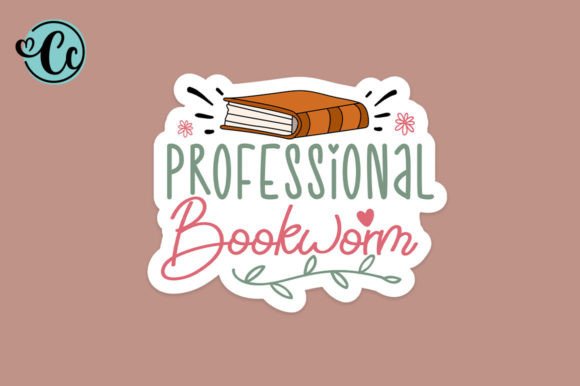
The first impression of Professional Bookworm, Book Lover Png is one of approachable personality. The design feels like a natural fit for the "book lover" niche, which is saturated but always hungry for fresh, high-quality imagery. Unlike generic text-based designs that can feel stiff, this graphic suggests a playful mood. It captures the essence of a reader who loves their books so much they wear them on their sleeve. For a designer or small business owner, this visual personality is crucial because it sets the tone for the entire handmade product. If you are selling to Etsy buyers who value authenticity, this design offers a friendly, relatable hook that stands out from mass-produced items.
Real-World Application: The Custom Tote Bag Scenario
To truly understand the potential of this file, let's imagine a specific project. You are preparing a batch of custom embroidered tote bags for a local bookstore's annual book fair. Your goal is to create a limited-edition item that customers will want to carry around town, effectively turning them into walking billboards for your shop. This is where Professional Bookworm, Book Lover Png shines.
When I visualize stitching this design onto a sturdy canvas tote, the layout seems balanced. It avoids the common pitfall of being too wide for standard bag handles or too small to make an impact on a large fabric surface. The concept of a "Book laptop Sticker" or "Water Bottle Sticker" mentioned in the product description suggests a compact, self-contained shape. In an embroidery context, this translates well to a chest pocket on a sweatshirt or the front panel of a tote bag. The design feels substantial enough to hold its own against the heavy weave of canvas without looking lost, yet simple enough to remain legible after washing.
However, the transition from a printable PNG to a machine embroidery design requires careful consideration. While the source file is described as a "Printable PNG Sticker," using it for actual stitching means you must evaluate how those lines convert into stitches. If the original graphic relies heavily on thin lines or tiny details to convey the "bookworm" character, there is a risk of those details disappearing under the tension of the needle. I would advise testing this design specifically on a textured fabric like denim or canvas before committing to a full production run. The friction between the fabric texture and the thread density can sometimes soften the sharp edges of a digital graphic, so seeing the test swatch is non-negotiable.
Navigating Fabric and Stitch Density Challenges
Not every surface is created equal, and Professional Bookworm, Book Lover Png will behave differently depending on what you are stitching. The design likely works best on stable, medium-weight fabrics. Think of cotton twill for caps, fleece for cozy sweatshirts, or linen for aprons. These materials provide the necessary foundation for a clean satin stitch or fill stitch application.
Conversely, there are areas where you need to exercise extreme caution. If you attempt to embroider this on stretchy jersey fabric without proper stabilizer, the design could pucker or distort, ruining the "professional" look the title promises. Similarly, if the design features intricate corners or very small lettering, you might find that a standard 4x4 inch hoop cannot accommodate the full detail without cutting off parts of the artwork. This is particularly relevant if you plan to use this for baby clothes or small accessories like patches. Tiny details often get lost in the stitching process, especially if the thread count is low or the stitch density is too high for the available space.
Dark fabrics present another variable. If you choose to embroider this design on a black hoodie or a navy blue pillow cover, the contrast becomes your biggest challenge. You will need to select thread colors that pop against the dark background while maintaining the intended mood of the book lover theme. A light-colored outline or a strategic choice of fill threads can make the difference between a design that looks cheap and one that looks premium. Always inspect the design in black and white mockups to ensure the value contrast holds up before you start threading your machine.
Impact on Product Value and Brand Consistency
In the world of handmade goods, visual appeal directly correlates to perceived value. Customers buying a personalized gift or a boutique product are paying for quality and attention to detail. A well-executed Professional Bookworm, Book Lover Png can elevate a simple tote bag into a desirable accessory. The clarity of the stitches, the neatness of the edges, and the overall professionalism of the finish tell the customer that care was taken in the creation process.
This design also supports brand consistency. If you are an Etsy seller or a craft business owner, having a cohesive library of graphics allows you to create a recognizable style across different products. Imagine a matching set: a sweatshirt with this design, a kitchen towel with a complementary motif, and a patch for a cap. The "Book Lover" theme ties these items together perfectly, creating a collection that feels curated rather than random. This level of cohesion builds trust with buyers and encourages repeat purchases.
Furthermore, the versatility of the design makes it ideal for various occasions. Whether it is a holiday gift, a wedding favor, or a graduation present, the universal appeal of reading ensures that the product has a broad market. The ability to print on anything, as the description suggests, hints at its adaptability. In embroidery terms, this means you can easily adapt the design for different mediums, from a soft baby blanket to a durable work apron.
Practical Notes for the Embroidery Designer
Before you rush to digitize or purchase the file for commercial use, here are a few essential steps to ensure success. First, always test the design on scrap fabric. This is the only way to verify how the stitch density interacts with your specific machine and thread combination. Check the thread color contrast against your intended fabric background; a design that looks great on white might vanish on grey.
Review the stitch types carefully. If the design relies on a mix of satin stitch for outlines and fill stitch for bodies, ensure your machine settings can handle the transitions smoothly. Confirm the hoop size requirements by checking the dimensions of the original file. If the design is larger than your current hoop, you may need to re-digitize or split the design, which adds time and cost to your workflow.
Don't forget to inspect small details. Zoom in on the digital file to see if there are any tiny elements that might not survive the embroidery process. If the design includes text, ensure it is legible even when stitched. Finally, confirm the licensing terms. Are you allowed to sell finished items made with this design? Does the license cover commercial embroidery projects, or is it restricted to personal use? Clarifying these points protects your business from legal issues down the line.
Professional Bookworm, Book Lover Png represents a strong opportunity for designers and crafters who want to add a touch of literary charm to their portfolio. By approaching it with a critical eye and following practical testing protocols, you can transform a simple digital graphic into a stunning, market-ready embroidered product. The key lies in respecting the limitations of the medium while leveraging the creative potential of the design.